Storing and Thawing Breast Milk Safely
Safe storage and thawing practices ensure your breast milk remains nutritious and safe for your baby at all times.
Staff writer
5 min readOctober 28, 2026
Breast milk is a nutritional powerhouse, and knowing how to store and thaw it correctly is essential to maintaining its quality. Whether you are pumping for a workday or building a freezer stash, understanding the guidelines will give you peace of mind. Breast milk contains living cells and complex proteins that require careful handling. By following standardized safe-handling protocols, you ensure that the milk you have worked so hard to express remains in the best possible condition for your little one.
Storage guidelines that work
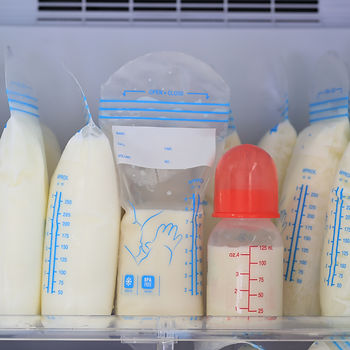
Freshly expressed breast milk can be stored at room temperature for up to four hours, though it is best to get it into the refrigerator as soon as possible if it will not be used immediately. In a standard refrigerator, milk is safe for up to four days. If you are freezing your milk, it is best to place it toward the back of the freezer where the temperature remains most consistent. Avoid storing milk in the door of the refrigerator or freezer, as the temperature fluctuations there can compromise the quality of the milk. Always label your bags with the date and time, and try to use your oldest milk first to ensure a rotating supply.
Thawing your milk safely
When you are ready to use frozen milk, the goal is to thaw it gently without exposing it to extreme heat. Never use a microwave to thaw or heat breast milk, as this creates hot spots that can burn your baby and can also damage the beneficial nutrients in the milk. The safest method is to move the frozen bag to the refrigerator the night before you plan to use it. If you need it sooner, you can place the bag in a bowl of warm water. Once milk has been thawed, it should be used within twenty-four hours and never refrozen. It is normal for breast milk to separate while sitting; just give it a gentle swirl to mix the fat back in before feeding.
Treat your expressed milk as the liquid gold it is by following safe storage practices that keep every drop nutritious for your baby.
Troubleshooting common concerns
Sometimes, thawed milk can have a soapy or metallic smell, which is usually due to an enzyme called lipase. This is perfectly normal and does not mean the milk is spoiled. Most babies will still drink it, but if your baby rejects it, you can try scalding the milk before freezing it to deactivate the enzyme. If you are ever unsure about the smell or appearance of the milk, always trust your instincts and do not be afraid to discard it if you have any lingering doubts. Your baby's health is the top priority, and it is better to be safe than to worry. Keeping these simple rules in mind will help you build a robust and safe milk supply.
You are doing incredible work providing for your baby. Having a clear system for storage will make your life much easier, so celebrate the fact that you are prepared for whatever the week brings.
Staff writer
Editorial Team