Storing milk
Guidelines for safely handling and storing your liquid gold.
Staff writer
3 min readNovember 1, 2026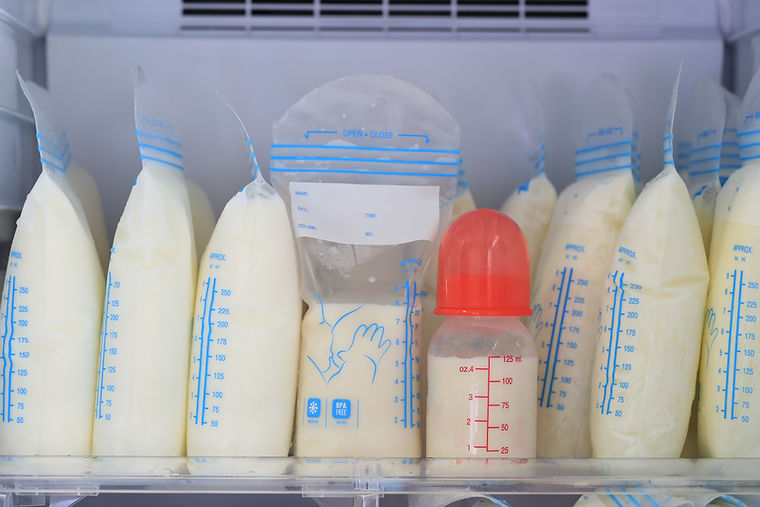
Few things feel as triumphant as that first full bottle of pumped milk sitting in the fridge—proof that your body is doing exactly what it's designed to do. But once milk leaves the breast, its safety depends on you: how you store it, how long you keep it, and how you thaw and warm it later. The good news is that breast milk is remarkably resilient. It contains its own antimicrobial properties that help protect it from bacterial growth, far more than infant formula or cow's milk. Still, a few evidence-based habits will help you preserve both the safety and the nutritional integrity of every ounce you work so hard to express.
Why storage guidelines matter
Breast milk is a living fluid, full of antibodies, enzymes, and beneficial bacteria that shift and adapt based on your baby's needs. Those same qualities that make it so protective also make it a little more delicate than a sealed can of formula. Temperature, time, and light all affect how well it holds up.
The goal of safe storage isn't perfection, it's protection: keeping harmful bacteria from multiplying while preserving as many of the nutritional and immune-boosting properties as possible. Following a few simple, well-researched guidelines takes the guesswork out of the equation, so you can focus on feeding your baby instead of worrying about every drop.
The basics: temperature and time
The Centers for Disease Control and Prevention (CDC) and the Academy of Breastfeeding Medicine offer time-tested benchmarks for freshly expressed milk:
- **Room temperature (up to 77°F / 25°C):** safe for up to 4 hours. - **Refrigerator (40°F / 4°C or colder):** safe for up to 4 days. - **Freezer (0°F / -18°C or colder):** safe for up to 6–12 months, though 6 months is ideal for best quality. - **Deep freezer (consistently 0°F or below):** can extend storage up to 12 months.
These numbers assume the milk was expressed with clean hands and equipment, and that it hasn't been sitting out intermittently or moved in and out of temperature zones repeatedly. If you're ever unsure how long milk has been at room temperature, the safest choice is to refrigerate it promptly or discard it.
Previously frozen and thawed milk follows a slightly different rulebook: once thawed, it should be used within 24 hours if kept in the refrigerator, and never refrozen.
Milk doesn't need to be perfect to be valuable. A little variation in color, scent, or consistency is normal; what matters most is time and temperature control.
Choosing the right containers
Not all containers are created equal when it comes to protecting your milk's composition. Hard-sided containers made of glass or BPA-free plastic tend to preserve the immune cells and fat content better than flexible storage bags, though bags remain a convenient, space-saving option for most families.
A few practical tips:
- Fill containers about three-quarters full to allow room for expansion during freezing. - Label every container with the date (and time, if you're pumping multiple times a day) so you can easily follow the "first in, first out" rule. - Store milk toward the back of the fridge or freezer, away from the door, where temperatures fluctuate the most every time it's opened. - Avoid combining milk from different pumping sessions until each batch has been cooled to the same temperature; this prevents warm milk from reheating already-chilled milk.
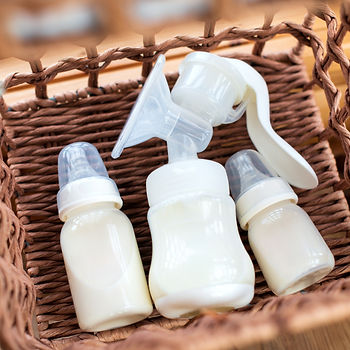
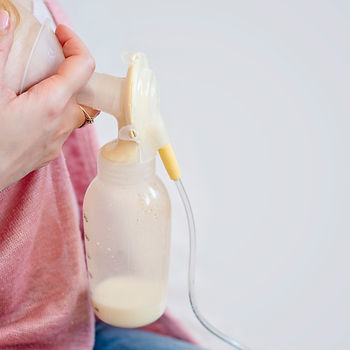
If you're using a hospital-grade or personal breast pump with its own collection bottles, those are typically safe for refrigeration and short-term freezing, but always check the manufacturer's guidance if you plan to freeze for longer stretches.
Freezing and thawing without losing quality
Freezing is one of the best ways to build a flexible milk stash, but how you thaw that milk later matters just as much as how you froze it.
To thaw safely:
- Move a frozen bag or bottle to the refrigerator the night before you need it, allowing a slow, even thaw. - For quicker needs, place the sealed container in a bowl of warm (not hot) water, or run it under warm tap water until it reaches body temperature. - Never microwave breast milk. Microwaving creates hot spots that can scald your baby's mouth and may also degrade some of the beneficial proteins and antibodies. - Once thawed, gently swirl (don't shake vigorously) to redistribute the fat, which naturally separates and rises during storage.
It's completely normal for thawed milk to smell slightly different—sometimes soapy or metallic—due to the breakdown of fats by an enzyme called lipase. This doesn't always mean the milk has spoiled, though some babies are sensitive to the taste and may refuse it. If this happens frequently, scalding your milk briefly before freezing (heating it just until it starts to steam, then rapidly cooling it) can help deactivate lipase and preserve a more neutral taste.
Traveling and daycare logistics
Life with a pumping schedule often means milk needs to travel—from the office to home, from home to daycare, or across time zones on a family trip. A few logistics can make all the difference:
- Use an insulated cooler bag with frozen gel packs for transporting milk, and aim to get it into a refrigerator or freezer within a few hours. - When flying, the TSA allows breast milk in quantities greater than 3.4 ounces in carry-on bags; just inform security ahead of time, as it's exempt from standard liquid restrictions. - For daycare, check their specific storage and labeling policies. Many facilities request you label bottles with your baby's full name and the date expressed, and some ask for a separate "backup" supply in the freezer in case plans change. - If a to-go cooler's ice melts and the milk warms above refrigerator temperature for more than two hours, it's safest to either use it immediately or discard it rather than refreeze or re-chill it.
A little predictability goes a long way. Many parents who pump regularly find it helpful to build and maintain a modest "buffer stash" of about one to two days' worth of milk, rather than months' worth, which reduces the pressure of needing a giant freezer reserve while still providing peace of mind.
Common storage myths, worth busting
Even experienced parents sometimes fall for outdated advice. A few myths worth retiring:
**"Milk in the fridge door is fine."** It's actually the least stable spot temperature-wise. Store milk on an interior shelf instead.
**"You can't mix milk from different days."** You can, as long as each batch has first been cooled to refrigerator temperature before combining, and the combined milk follows the storage timeline of the oldest portion.
**"Discolored milk is bad milk."** Breast milk naturally varies in color, from bluish-white to yellow to even a faint pink or green, depending on your diet and the time of day it was expressed. Color alone isn't a reliable spoilage indicator.
**"You should always use the oldest milk first."** This is actually true, and worth repeating. Rotating your stash by expression date minimizes waste and ensures no precious ounce goes unused.
When to call for help
Most storage questions have simple, reassuring answers, but a few situations call for extra support. Reach out to a lactation consultant or your pediatrician if:
- Your baby refuses previously stored milk repeatedly, which could signal a lipase sensitivity worth addressing with scalding techniques. - You're unsure whether milk has been safely stored (for instance, after a power outage or a forgotten cooler) and want guidance on whether to use or discard it. - You notice an unusual, sour, or rancid smell in freshly expressed milk, which is different from the normal "soapy" scent of stored milk breaking down. - You're building a freezer stash for a NICU stay or medical need and want individualized storage protocols.
Safe milk storage isn't about rigid perfection, it's about building habits that protect your baby and your peace of mind. With a few reliable guidelines in your back pocket, you can trust that every bottle, whether fresh from today's pumping session or pulled from the back of the freezer, is ready to nourish your baby just as well as the day it was expressed.
Staff writer
Editorial Team