Bottle feeding
Tips for successful bottle introductions and feeding safety.
Staff writer
3 min readOctober 31, 2026
Whether you're returning to work, sharing feeding duties with a partner, or simply want flexibility, introducing a bottle to a breastfed baby is a milestone that deserves a little planning. Done thoughtfully, bottle feeding doesn't have to undermine breastfeeding or confuse your baby. The key is understanding timing, technique, and how to protect the breastfeeding relationship you've worked hard to build. Here's what every parent should know before that first bottle touches your baby's lips.
When and why to introduce a bottle
Most lactation experts recommend waiting until breastfeeding is well established before introducing a bottle, typically around three to four weeks of age. This isn't an arbitrary number. By this point, most babies have learned to latch deeply, your milk supply has calibrated to your baby's needs, and your nipples have had time to adjust without the added variable of a different feeding mechanism.
That said, every family's timeline looks different. If you're heading back to work at six weeks, you'll want to start bottle practice a week or two beforehand, not the night before. If breastfeeding is still shaky at three weeks, it's often wiser to delay bottle introduction until feeds are comfortable and your baby is gaining well. There's no single "right" week for everyone, but there is a right order of operations: stabilize breastfeeding first, then layer in the bottle.
Choosing the right bottle and nipple
Walk into any baby aisle and you'll find dozens of bottles promising to be "just like the breast." None of them are, but some come closer than others in ways that matter.
Look for a slow-flow nipple, regardless of your baby's age. Many parents assume a faster flow means less mess and quicker feeds, but a nipple that releases milk too quickly can cause babies to gulp, gag, or take in more than they need before their fullness cues kick in. A slow flow mimics the more gradual, baby-controlled pace of breastfeeding.
Nipple shape matters less than flow rate, but a wide base can encourage a broader mouth opening similar to a breastfeeding latch. Beyond that, don't overthink the brand. Babies are remarkably adaptable, and the "perfect" bottle is often simply the one you have on hand when you're using proper technique.
Paced bottle feeding: the gentle approach
This is the single most important bottle feeding skill a parent or caregiver can learn, and it's rarely taught in hospitals or well-meaning hand-me-down advice.
Paced bottle feeding means holding your baby in a semi-upright position, keeping the bottle horizontal rather than tipped steeply downward, and allowing your baby to actively suck and swallow rather than passively receiving a steady stream of milk. Every 20 to 30 seconds, tip the bottle down slightly so the flow pauses, giving your baby a chance to assess their fullness before continuing.
This isn't about making feeding harder. It's about making it safer and more respectful of your baby's natural hunger and satiety signals.
"Bottle feeding isn't inherently at odds with breastfeeding, but the technique matters enormously. Paced feeding protects both your baby's self-regulation and your milk supply."
Babies fed this way are less likely to overeat from a bottle, which matters both for digestive comfort and for maintaining a healthy demand signal for your breastfeeding sessions.
Who should offer the first bottle (and when)
Many lactation consultants suggest that someone other than the breastfeeding parent offer the first few bottles. Babies are smart, and if they can smell you, hear your voice, or feel your body nearby, they may refuse the bottle, holding out for the breast they know and trust.
Choose a calm window, not a moment of frantic hunger. A baby who is ravenous may fight any unfamiliar feeding method out of sheer frustration, which can create a negative association. Instead, offer the bottle when your baby is alert but only mildly hungry, giving them patience and room to explore this new experience.
If the first attempt doesn't go smoothly, that's normal, not a failure. Try again at a different time of day, with a different holder, or after a short walk to change the environment and reset everyone's nerves, including yours.
Protecting your milk supply while bottle feeding
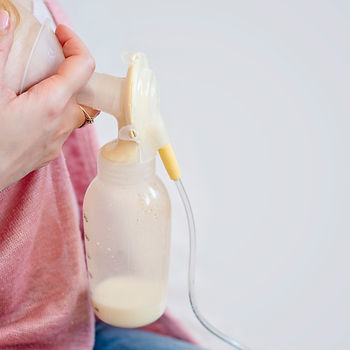
If you're pumping to provide bottles while continuing to breastfeed, your supply depends on consistent stimulation and removal of milk. Skipping breastfeeding sessions without replacing that removal with pumping can lead to a gradual dip in supply, sometimes without any obvious warning signs until weeks later.
A simple rule of thumb: for every breastfeeding session you replace with a bottle, pump around that same time if you want to maintain your current supply. If you're comfortable with your supply naturally adjusting downward as your baby takes more bottles, that's a valid choice too, especially as babies get older and start solids. The goal is intention, not perfection.
Pay attention to your baby's cues at the breast as bottles become more frequent. Occasional nipple preference confusion can occur, particularly in younger infants, but it's often more about flow preference than the bottle itself. A baby who becomes fussy at the breast after weeks of fast-flowing bottles may simply be adjusting to the slower, more effortful flow of direct breastfeeding.
Troubleshooting common bottle feeding challenges
Gas and spit-up are among the most common bottle-related complaints, and they're frequently linked to swallowed air. Make sure the nipple is always filled with milk, not air, by tilting the bottle appropriately throughout the feed. Burping halfway through and at the end can also make a noticeable difference.
If your baby clamps down, gags, or pulls away repeatedly, revisit your flow rate first. It's one of the most overlooked culprits. A nipple that's too fast can make feeding feel overwhelming rather than satisfying.
Refusal is another common hurdle, particularly for babies introduced to bottles later, around two to three months. In these cases, temperature can help; some babies prefer milk warmed closer to body temperature rather than room temperature or cold from the fridge. Positioning changes, like trying a slightly more upright hold, or letting your baby hold the bottle themselves once they're developmentally ready, can also ease resistance.
Above all, resist turning bottle feeds into a battle. Babies pick up on tension, and a stressful feeding environment often backfires, making refusal more entrenched rather than less.
When to call for help
Most bottle feeding bumps resolve with small adjustments, but certain signs warrant professional guidance sooner rather than later. Reach out to an IBCLC or your pediatrician if your baby consistently refuses all bottles despite multiple calm attempts over several days, especially if you have an upcoming return to work or childcare transition.
Seek support if you notice your baby struggling to coordinate sucking, swallowing, and breathing during bottle feeds, including frequent coughing, choking, or milk leaking excessively from the mouth. These can sometimes indicate an underlying oral motor issue worth evaluating.
If your milk supply seems to be dropping noticeably as bottle feeds increase and you want to maintain your current breastfeeding relationship, a lactation consultant can help you build a sustainable pumping and feeding plan before the dip becomes significant.
And if you simply feel unsure, whether about technique, timing, or how bottles fit into your overall feeding goals, that uncertainty is reason enough to ask for help. You don't need to wait for a crisis to deserve support. A single consultation can often save weeks of guesswork, giving you confidence in whatever combination of breast and bottle works best for your family.
Staff writer
Editorial Team