Umbilical cord care 101
Expert advice on keeping your newborn's cord stump clean and healthy.
Staff writer
3 min readOctober 5, 2026
The umbilical cord stump is a remnant of the vital connection your baby had in the womb, and caring for it during the first few weeks of life is a straightforward process. The most important rule to follow is to keep it clean and, most importantly, dry.
The Basics of Drying The goal for umbilical cord care is to help the stump dry out and eventually fall off, which typically happens between one and three weeks after birth. You do not need to apply any special powders, oils, or antiseptic creams unless directed by your pediatrician. Exposure to air is the best way to speed up the drying process. You can facilitate this by keeping the diaper folded down or using diapers with a cutout designed to avoid rubbing against the stump.
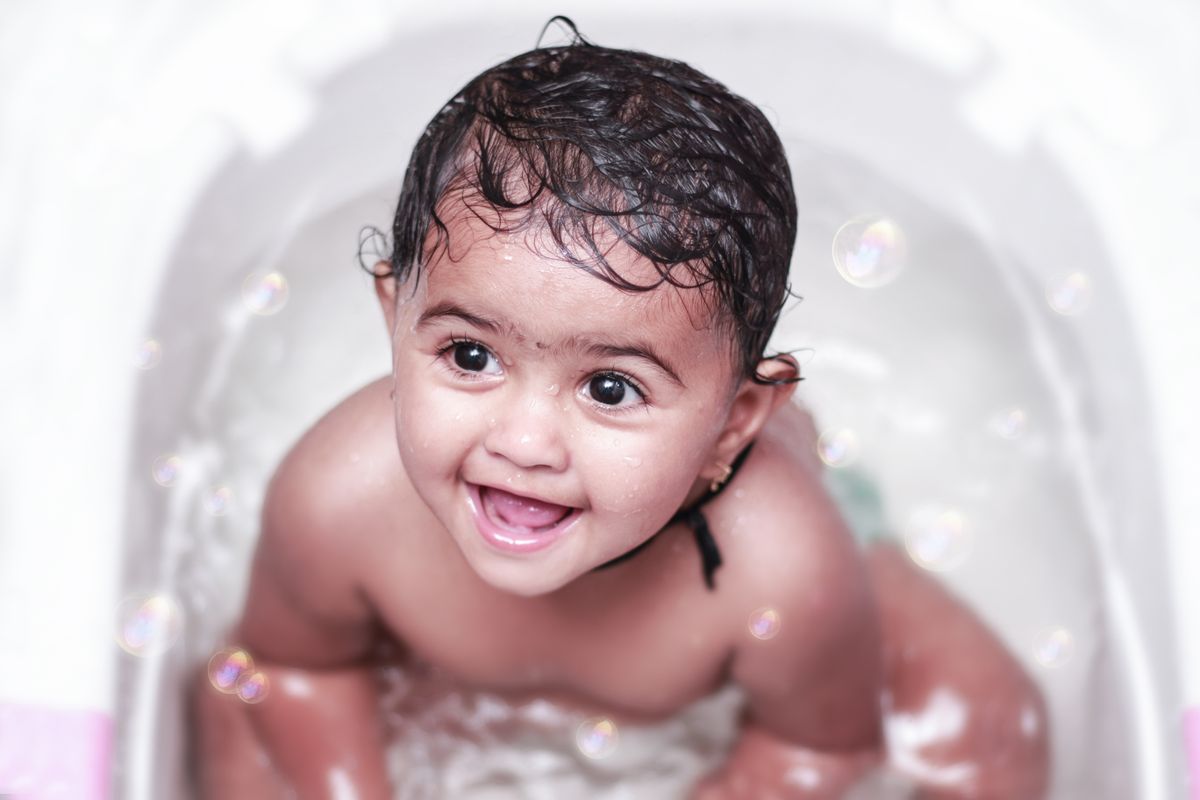
Bathing Your Newborn You do not need to avoid bathing your baby while the cord is still attached. While some experts recommend sponge baths until the stump falls off, others suggest that quick, shallow tub baths are perfectly safe as long as you dry the cord area thoroughly afterward. If you choose to use a tub, ensure the water level is low and carefully pat the stump dry with a clean, soft cloth immediately after the bath. Never rub the area, as this can irritate the skin or cause the cord to detach prematurely.
Managing Diaper Placement Diaper friction is a common cause of irritation for the umbilical cord. When securing the diaper, make sure the waistband sits well below the navel. If you are using disposable diapers, you can create a small fold at the top of the waistband to prevent it from covering the stump. If the stump gets wet from urine, change the diaper promptly and gently dab the area with a dry cloth to prevent moisture buildup. Keeping the area clean helps avoid common issues like foul odors or inflammation.
When to Seek Advice It is normal for the cord to change color as it dries, turning from a yellowish-white to a dark brown or black. You might even notice a small amount of dried blood around the base, which is also typical. However, you should contact your pediatrician if you notice persistent redness or swelling around the belly button, a foul-smelling discharge, or if the baby seems to be in pain when the area is touched. These can be signs of infection that require professional evaluation. With patience and a steady routine of keeping it clean and dry, the stump will fall off on its own, leaving behind a perfectly healthy belly button.
The creator
Staff writer
Editorial Team