The art of swaddling
How to swaddle safely to help your newborn feel secure and sleep better.
Staff writer
7 min readNovember 19, 2026
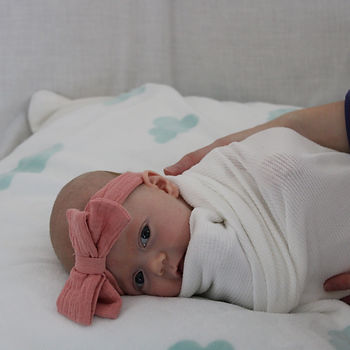
Welcoming a newborn into your home is a transformative experience filled with moments of wonder and exhaustion. Among the many tools in your early parenting toolkit, swaddling remains one of the most effective ways to help your baby feel secure, calm, and ready for rest. By mimicking the snug environment of the womb, swaddling helps newborns feel grounded while preventing their natural startle reflex from waking them during those precious hours of sleep. While it may look like an intricate puzzle at first, mastering the art of the swaddle is a skill that will soon become second nature for you and your little one.
The comfort of the womb
For nine months, your baby existed in a tight, cozy space where they were constantly held by the walls of your uterus. When they arrive in the world, the vastness of a crib can feel overwhelming and strange. Swaddling provides a consistent, gentle pressure that mimics that prenatal security. This sense of containment can be incredibly soothing for a newborn who is adjusting to the sensory input of a brand new environment.
"Swaddling is essentially a warm, firm hug that tells your baby they are safe and held."
Choosing the right swaddle
When selecting a blanket for swaddling, light and breathable fabrics are essential to prevent overheating. Look for cotton muslins or soft jersey knits that offer a bit of natural stretch. You want a blanket that is large enough to wrap securely around your baby without feeling loose or bulky. If traditional blankets feel intimidating, there are many modern swaddle sacks available with zippers or velcro closures designed to provide that perfect, snug fit with just a few simple steps.
The safe swaddle technique
To begin, lay your blanket out in a diamond shape and fold down the top corner. Place your baby on their back with their shoulders just below the fold. Straighten one arm and pull the corresponding side of the blanket across their chest, tucking it snugly under their opposite side. Bring the bottom corner up over their feet, then bring the final side across to secure the wrap. The goal is to keep the chest wrapped firmly while ensuring there is plenty of room for their hips to move naturally.
Protecting the hips
It is vital that your baby has enough space to bend their legs up and outward at the hips. When you are wrapping the lower portion of the blanket, ensure it is not too tight around the legs. Swaddling should focus on securing the arms, not pinning the legs straight. A loose, wide swaddle around the bottom half allows for healthy hip development and ensures your baby remains comfortable throughout their nap.
"Always prioritize hip health by keeping the lower half of the swaddle loose enough for natural movement."
Safety first guidelines
Safety is the most important part of the swaddling process. Always place your baby on their back to sleep, and ensure the swaddle is not too high around the neck where it could obstruct their airway. You should be able to fit two or three fingers between the blanket and your baby's chest to confirm the wrap is snug but not constricting. Once your baby shows signs of rolling over, it is time to transition away from swaddling entirely.
Recognizing when to stop
As your baby gains strength and mobility, they will likely start trying to roll onto their stomachs. This is a significant developmental milestone and a clear signal that the swaddle must be discontinued for safety reasons. You might start by leaving one arm out for a few nights or transitioning to a wearable blanket that allows for more freedom of movement. Moving away from the swaddle is a natural part of your baby growing up and becoming more independent.
Building a soothing routine
Integrating the swaddle into your bedtime routine acts as a powerful cue to your baby that it is time to sleep. By consistently swaddling, dimming the lights, and perhaps adding some gentle white noise, you are creating a predictable pattern that helps regulate your baby's sleep cycles. Over time, these small rituals build a sense of rhythm and confidence, helping your baby drift off into restful sleep while providing you with much-needed peace of mind.
Staff writer
Editorial Team