The benefits of support groups
Why connecting with other parents can transform your breastfeeding experience.
Staff writer
3 min readNovember 29, 2026
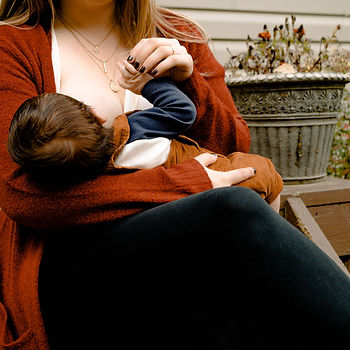
The transition to parenthood is often described as a whirlwind, yet the reality can sometimes feel surprisingly isolating. While friends and family offer well-meaning advice, there is a unique form of comfort found in connecting with others who are walking the exact same path. ## Shared Experience and Normalization. The primary benefit of a breastfeeding or postpartum support group is the normalization of your daily experience. When you are in the thick of sleep deprivation and cluster feeding, it is easy to assume you are doing something wrong or that your baby is the only one acting a certain way. Hearing another parent share a similar struggle breaks the cycle of shame. You realize that your baby’s behavior is often typical for their developmental stage, which reduces anxiety and builds your confidence as a parent. ## Practical Knowledge Exchange. Support groups are hubs for practical, crowdsourced wisdom. While professional advice is vital, there is immense value in hearing how a peer handled a clogged duct, managed a diaper blowout in public, or found a comfortable nursing pillow. Group leaders often facilitate these discussions, providing evidence-based information while allowing participants to share their lived experiences. You might pick up a technique for positioning or a trick for soothing that you never would have found in a textbook. ## Building a Community. Beyond the immediate logistical support, these groups offer emotional scaffolding. Parenting is a marathon that requires a support network, and many participants find that their support group evolves into their core "village." These connections often extend outside the meeting room, leading to playdates, coffee chats, and long-term friendships. Having a reliable group of people who understand the cadence of your new life creates a vital safety net for your mental health. ## Combating Postpartum Isolation. Research consistently shows that social support is a protective factor against postpartum depression and anxiety. Being physically present with other caregivers, even while your babies are napping or playing, provides a sense of belonging. The act of leaving the house and participating in a communal space helps break the monotony of the newborn phase. Even if you do not say much during the first few sessions, simply being in a room where breastfeeding is the norm and crying is accepted can be incredibly healing. ## Accessible and Inclusive Spaces. Today, support groups are more accessible than ever, with many options available in community centers, hospitals, and libraries. Look for groups facilitated by trained professionals like lactation consultants or doulas to ensure that the information shared is accurate. Whether you attend in person or join a virtual circle, the act of showing up for yourself and your baby is a powerful step in your journey.
Staff writer
Editorial Team