Safely trimming baby's nails
How to keep those tiny, sharp fingernails in check.
Staff writer
7 min readOctober 3, 2026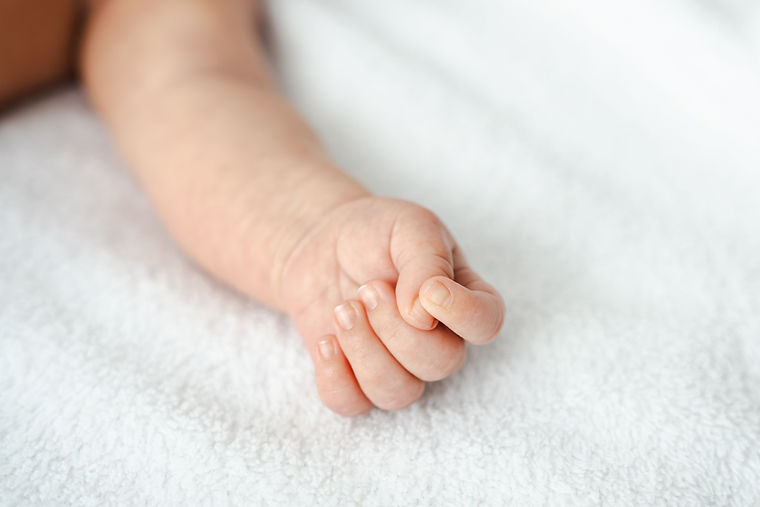
Those paper-thin newborn nails can seem harmless at first glance, but any parent who has noticed tiny scratches on a baby’s cheeks knows how surprisingly sharp they can be. Because babies wave their hands unpredictably and often touch their faces while feeding or sleeping, keeping nails short becomes a simple part of everyday care. Still, many caregivers feel nervous about trimming something so small, especially on a wriggly infant. The good news is that with the right timing, tools, and a calm setup, nail care can become quick, safe, and far less intimidating.
Why baby nails need regular attention Baby nails grow faster than many parents expect, especially fingernails, which may need attention more than once a week. Since newborns have very little control over their movements, they often scratch their own face, scalp, or chest without meaning to. Those marks usually look worse than they are, but they can still be uncomfortable and upsetting to see. Regular trimming helps prevent those accidental nicks before they happen.
Nail care also matters because jagged or peeling edges can catch on clothing, swaddles, or your skin during feeding. While long nails are not dangerous in themselves, they can become a practical problem during skin-to-skin time and routine cuddling. For breastfeeding parents, sharp baby nails may scrape the breast or chest, especially when a baby kneads or flails during a feed. Keeping nails smooth and short can make close contact more comfortable for everyone.
When to trim and how often There is no one perfect schedule, but most babies need their fingernails trimmed more often than their toenails. Fingernails may need filing or clipping every few days in the early weeks, while toenails usually grow more slowly and can often wait longer. Looking at the nail edges in good light will tell you more than the calendar does. If you can see a thin white tip extending beyond the finger, it may be time.
Timing matters almost as much as frequency. Many parents find it easiest to trim nails when a baby is asleep, drowsy after a feeding, or very calm. Right after a bath can also be useful, since nails may be a bit softer, though the important thing is that you can see well and keep a steady hold. Choosing a moment when you are relaxed matters too, because babies tend to respond to tension in the person caring for them.
"A calm moment is often the safest moment."
Choosing the right tools You do not need a large kit, but using baby-specific tools can make the process feel more manageable. Small baby nail clippers, rounded-tip baby scissors, and infant emery boards are the most common options. Some parents prefer a simple file in the newborn stage because it removes sharpness gradually and feels less risky. Others like clippers because they are faster once they get comfortable.
The best tool is the one you can control confidently in good light. If you use clippers or scissors, make sure they are clean, sharp, and reserved for the baby rather than shared with others. Emery boards should be gentle and not overly rough, since baby nails are soft and the surrounding skin is delicate. Electric baby nail files are another option for families who want a low-pressure way to smooth edges, though they still require patience and attention.
Setting up for a safe trim Before you begin, gather everything you need so you are not reaching for supplies with one hand while holding a baby with the other. Sit somewhere with strong natural light or a bright lamp, and choose a position that supports your arms. Some caregivers prefer placing the baby on their lap, while others like to lay the baby on a flat surface or have another adult help hold them. What matters most is stability.
Wash your hands and make sure the baby’s hands are clean and dry. Then hold the finger pad away from the nail so the skin is less likely to get caught in the clipper or scissors. Work on one nail at a time rather than trying to rush through both hands. If the baby starts crying or jerking suddenly, it is perfectly fine to stop and come back later.
"Slow and steady beats trying to finish fast."
How to trim without nicking the skin When using clippers, trim following the natural curve of the fingernail, taking off just the thin edge rather than cutting too close. For tiny newborn nails that seem attached to the skin, filing may be easier than clipping because it lets you shorten the edge gradually. If you use scissors, make very small snips and keep the tips angled away from the finger pad. After clipping, use a file to smooth any rough corners.
Toenails should be approached a little differently. Rather than rounding them deeply, trim them more straight across to lower the chance of an ingrown nail as your baby grows. The corners can be softened gently with a file if they feel sharp. Whether you are trimming fingers or toes, the goal is neat and smooth, not extremely short.
What to avoid It can be tempting to bite a baby’s nails or peel them off with your fingers, especially when they look soft and flaky. But those methods make it harder to control how much nail comes away and increase the chance of injuring the nearby skin. Mouth bacteria can also be introduced if nails are bitten rather than cut or filed. Using dedicated tools is safer and more predictable.
Try not to use mittens as a long-term substitute for nail care. While mittens can help briefly in the earliest days, they also limit a baby’s ability to explore their hands and may come off unexpectedly. It is better to keep nails maintained than to rely on constant covering. Also avoid trimming in poor lighting, in a moving car, or during a crying spell when hands are clenched and jerky.
If you accidentally cut too close Even careful parents sometimes nick the skin, and if it happens, try not to panic. Baby fingertips can bleed more than expected from a very small cut, which can make the moment feel worse than it is. Apply gentle pressure with a clean gauze pad or cloth until the bleeding stops. In most cases, that is all that is needed.
Skip adhesive bandages on babies, since they can become a choking hazard if they loosen. Also avoid putting a baby’s finger directly into the mouth to comfort the cut, because that can introduce germs. Keep the area clean and watch for signs of infection such as worsening redness, swelling, warmth, or pus. If bleeding does not stop after several minutes of pressure or the cut looks deep, call your pediatric clinician.
"A small nick is upsetting, but it is usually minor and manageable."
Making nail care easier over time Like diaper changes and burping, nail trimming gets easier with repetition. The first few attempts may feel awkward simply because the nails are so tiny and the stakes feel emotionally high. Over time, you will learn when your baby is stillest, which tool you like best, and how much nail needs to come off. That familiarity builds confidence quickly.
It can help to fold nail care into an existing rhythm, such as after bath time, after the first morning feeding, or during a nap check. Some families make it a two-person task, with one adult holding and soothing while the other trims. Others keep a file in the diaper caddy for quick touch-ups whenever a sharp edge appears. However you do it, consistency is what turns a stressful task into a routine one.
When to ask for help If your baby’s nails seem unusually curved into the skin, repeatedly red around the edges, or hard to trim without discomfort, ask your pediatrician for guidance. Sometimes what looks like a trimming problem is actually an ingrown nail or irritated skin that needs a different approach. It is also worth checking in if the nails appear discolored, thickened, or brittle in a way that seems unusual. Most nail concerns are minor, but reassurance can be helpful.
New parents should also feel comfortable asking for a demonstration. A pediatric nurse, postpartum nurse, or experienced caregiver can often show you how to hold the finger, where to place the clipper, and how short is short enough. Watching someone do it once can make the process much less intimidating. Safe baby nail care is not about perfection; it is about gentle technique, good timing, and the confidence to pause when needed.
Staff writer
Editorial Team