Safe sleep practices for newborns
Everything you need to know about creating a safe sleeping environment.
Staff writer
3 min readNovember 14, 2026
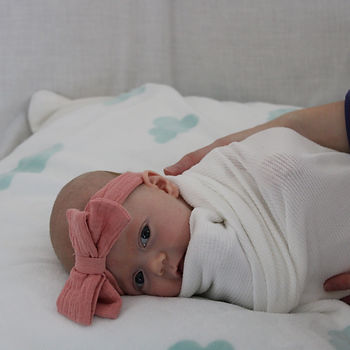
Creating a safe environment for your newborn to sleep is one of the most important responsibilities for new parents. Adhering to evidence-based safe sleep guidelines significantly reduces the risk of Sudden Infant Death Syndrome. ## The ABCs of Sleep. A safe sleep space follows the ABC rule: Alone, on their Back, and in a Crib or bassinet. Alone means no pillows, blankets, stuffed animals, or crib bumpers in the sleep area. These items pose a suffocation hazard and are not necessary for a newborn. ## Positioning Matters. Always place your baby on their back for every nap and every night. While some parents worry about flat spots, you can supervise 'tummy time' while the baby is awake and alert to support development. Babies are anatomically designed to handle back sleeping safely. ## Surface and Environment. Use a firm, flat mattress covered with a tightly fitted sheet. The crib or bassinet should meet current safety standards and be free of loose components. Keep the room temperature comfortable, as overheating is a known risk factor. Dress the baby in a wearable blanket or a swaddle if they are not yet rolling over, rather than using loose bedding. ## Bed Sharing and Proximity. It is highly recommended that babies room-share with their parents for the first six to twelve months, but they should be in their own separate sleep space. While bedside bassinets are excellent for keeping the baby close for feedings and monitoring, they should never sleep in your bed, especially if you are feeling exceptionally exhausted or have consumed alcohol. Staying vigilant about these practices provides peace of mind and ensures the safest possible environment for your little one to rest.
Staff writer
Editorial Team