Safe sleep guidelines
Create a secure environment to minimize risks and ensure peaceful nights.
Staff writer
8 min readNovember 22, 2026
Creating a safe sleep environment is one of the most significant steps you can take to protect your newborn and encourage healthy development. As parents, the desire to provide a secure space for your baby to rest is natural, yet the abundance of information can sometimes feel overwhelming. By focusing on evidence-based practices, you can establish a routine that balances peace of mind with the practical realities of nighttime care. This guide outlines the core pillars of infant sleep safety to help you navigate your journey with confidence and clarity.
The importance of a firm sleep surface
Your baby needs a sleep surface that is firm, flat, and specifically designed for infants. The mattress should be covered by a tight fitting sheet and remain free of any indentations when the baby is placed upon it. Soft bedding, including plush mattresses or pillow tops, creates pockets that can block a baby's airway during sleep. Using a crib or bassinet that meets modern safety standards ensures that the structure itself supports your child's posture and breathing needs throughout the night.
Regularly inspect the sleep area to ensure there are no gaps between the mattress and the crib sides. If you can fit more than two fingers between the mattress and the crib frame, it is not a safe fit for your newborn. Investing in a new, certified crib mattress is often the safest route for every new baby. Keeping the surface bare is the golden rule for maintaining a safe sleep environment for your little one.
"A firm and flat surface remains the gold standard for newborn sleep safety."
Room sharing for peace of mind
Experts recommend that infants sleep in the same room as their parents, but on a separate surface, for at least the first six months of life. Room sharing allows you to remain close to your baby, making it easier to monitor their breathing and attend to their needs during the night. This arrangement simplifies breastfeeding or bottle feeding while ensuring you can respond quickly to any signs of distress. It also keeps your baby within reach for frequent check-ins without the risks associated with bed sharing.
Positioning the bassinet or crib near your bed helps you stay connected while maintaining a distinct boundary for the baby. This physical separation is vital because it prevents accidental covering or overheating that can occur in an adult bed. As you get to know your baby's unique sleep sounds and movements, this proximity will become a source of comfort for both of you. It is a practical way to foster a secure attachment while prioritizing physical safety.
Keeping the crib clear of clutter
It is tempting to decorate the crib with blankets, stuffed animals, and bumpers to make it look cozy, but these items pose significant risks. A clear crib is the only safe crib, as loose items can accidentally cover a baby's face. Remove all pillows, heavy quilts, and positioning devices to keep the airflow around your baby unobstructed. If your baby needs extra warmth, a wearable blanket or a sleep sack is a much safer alternative to loose bedding.
Avoid using crib bumpers, even the mesh variety, as they are not necessary for infant safety and can become hazards. Most modern cribs are designed with slatted sides that provide adequate ventilation without the need for additional padding. By keeping the space entirely empty, you eliminate the risk of suffocation and ensure your baby remains in a safe environment. Remember that your baby does not need toys or pillows to feel secure during their slumber.
The back to sleep position
Always place your baby on their back for every single sleep session, including naps and nighttime rest. Research has consistently shown that the back sleep position is the safest posture for infants to reduce the risk of breathing obstruction. Even if your baby seems to prefer sleeping on their side or stomach, you should consistently correct their position until they reach the age where they can roll over independently. Once your baby can roll both ways, they can choose their own sleep position, but they should still start on their backs.
Establishing this habit from the very first night helps your baby become accustomed to the sensation of sleeping on their back. If you are worried about flat spots on the head, you can offer supervised tummy time while the baby is awake. This practice strengthens their neck muscles and helps them develop the motor skills necessary for development. Consistency in this position is a simple yet powerful way to safeguard your child.
"Placing your baby on their back is the most effective way to ensure a safe sleep environment."
Temperature regulation and clothing
Overheating is a risk factor that parents should remain mindful of when preparing their baby for sleep. You want your baby to be warm, but never hot, so choose lightweight clothing that is appropriate for the room temperature. A good rule of thumb is to dress your baby in one more layer than you would feel comfortable wearing yourself. Monitor for signs of overheating, such as flushed skin, sweating, or a chest that feels hot to the touch.
Keep the bedroom at a comfortable, moderate temperature to facilitate better rest for both you and your infant. Avoid placing the crib near heaters, vents, or direct sunlight, as these can spike the temperature around the baby. If you use a space heater, ensure it is set to a safe distance and maintains a consistent, cool environment. Balanced temperatures lead to more stable sleep cycles and overall well-being for your newborn.
The role of swaddling
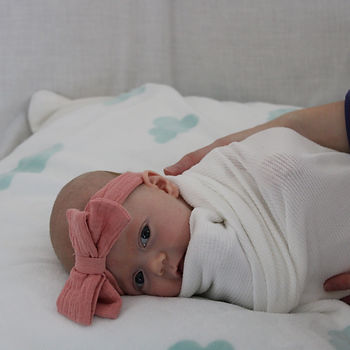
Swaddling can be a wonderful tool for soothing newborns, as it mimics the snug environment of the womb. When done correctly, a swaddle should be loose around the hips to allow for healthy leg movement and tight enough around the torso to prevent the fabric from unraveling. As soon as you notice your baby starting to show signs of trying to roll over, it is time to stop swaddling immediately. At this developmental milestone, their arms need to be free to help them push up or turn if necessary.
Always ensure that your baby is placed on their back while swaddled, as rolling onto their stomach while restricted is a major safety concern. Practice the wrapping technique during the day so you feel confident and comfortable when it comes time for bedtime. There are many user-friendly sleep sacks with velcro or zippers that take the guesswork out of swaddling. Always prioritize the baby's ability to move their hips and breathe comfortably while wrapped.
Pacifier use during sleep
Offering a pacifier at naptime and bedtime is associated with a reduced risk of sleep-related hazards for infants. If your baby is breastfeeding, it is generally recommended to wait until nursing is well-established before introducing a pacifier, usually around three to four weeks. There is no need to reinsert the pacifier if it falls out after the baby has drifted off to sleep. This simple tool can provide comfort and help self-soothing throughout the night.
Do not attach the pacifier to a string, ribbon, or clothing, as these items create a strangulation risk. Keep the pacifier clean and replace it if you notice any cracks or wear that could pose a choking hazard. If your baby shows no interest in using a pacifier, there is absolutely no need to force the issue. It remains an optional tool that some parents find helpful for managing their baby's sleep needs.
Establishing a consistent bedtime routine
Predictability is key to helping your baby understand that it is time to wind down for sleep. Creating a calming pre-sleep routine can include activities like a warm bath, a gentle massage, or soft singing. By repeating the same steps each night, you signal to your baby that the environment is changing from active to restful. This consistency helps regulate their internal clock and makes the transition to the crib much smoother for everyone.
As your baby grows, you can adjust the length and activities of the routine to suit their evolving personality. Focus on activities that minimize stimulation and encourage a quiet, tranquil atmosphere in the bedroom. A well-rested baby is generally a happier baby, and a predictable routine is the foundation of long-term healthy sleep habits. Keep the lights dim and your interactions quiet to reinforce the importance of the bedtime period.
Staff writer
Editorial Team