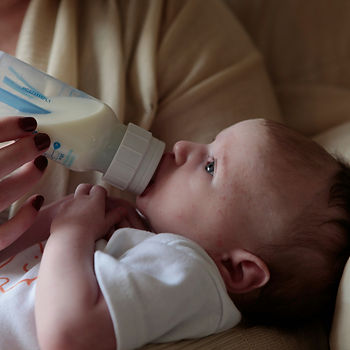
Reading Your Baby's Hunger Cues Before the Cry
Crying is a late sign of hunger. Learn to spot the early cues so feeding stays calm and comfortable for both of you.
Staff writer
8 min readOctober 29, 2026
Navigating the newborn phase often feels like learning a brand new language where your baby is the primary speaker. Many new parents wait for the inevitable wail that signals a desperate need for milk, but crying is actually the final sign of hunger. By the time your little one is red-faced and upset, they have already been trying to communicate their needs for several minutes. Recognizing these subtle physical signals allows you to begin feedings while your baby is still calm, which often leads to a more efficient and peaceful nursing session. Learning these cues takes time and observation, but soon you will become an expert in your own baby's unique way of asking for nourishment.
The importance of timing
Feeding your baby before they become frantic is a game changer for breastfeeding success. When a baby is in a calm state, they can latch onto the breast or bottle with more focus and patience. Crying releases stress hormones that can make a baby tighten their muscles, making the physical act of feeding much more difficult for both of you. By catching the early signals, you reduce the frustration that often accompanies newborn hunger. This proactive approach helps establish a rhythm that fosters connection rather than chaos during mealtime.
Watching for early movements
One of the very first signs that your baby is beginning to wake up and get hungry is increased physical activity. You might notice them squirming or stretching in their sleep or while resting quietly in their bassinet. They may begin to turn their head from side to side as if they are searching for something. These gentle movements are a clear indication that their brain is shifting from rest to active wakefulness. If you respond during this window, you can often start the feeding process before the baby even fully opens their eyes.
The role of hand motions
Babies are surprisingly expressive with their hands when they start feeling the first stirrings of hunger. You might see your little one bringing their hands toward their mouth or attempting to suck on their fingers. This is a natural rooting instinct that helps them prepare for the breast or bottle. Some babies will start by waving their hands near their face before moving them toward their cheeks or chin. Keeping a close watch on these tiny gestures can help you distinguish between a baby who is just settling in and one who is ready to eat.
"Your baby is constantly speaking to you through their small movements and subtle changes in behavior."
Understanding the rooting reflex
If you touch your baby near their mouth or on their cheek, they may turn their head toward the sensation with their mouth open. This is the rooting reflex, and it is a powerful biological tool designed to help them find food. You will notice that this reflex becomes more pronounced as your baby becomes hungrier. When they consistently turn toward your touch and mimic a searching motion, they are telling you quite clearly that they are ready to feed. This is one of the most reliable cues you can look for throughout the newborn months.
Recognizing lip and mouth activity
As hunger progresses from early to active, the baby will begin to involve their mouth and lips more intensely. You might notice them making smacking sounds or licking their lips in anticipation of a meal. Their tongue may move back and forth, or they might seem to chew on their tongue as they focus on finding nourishment. These mouth movements are very distinct from the peaceful resting face of a satisfied baby. If you see your baby acting as if they are tasting the air, it is almost certainly time to prepare for a nursing session.
Why crying is the last resort
It is important to remember that crying is not a failure on your part, but simply a late signal. When a baby cries, they are often already overwhelmed by the sensation of hunger and may struggle to settle down enough to latch effectively. It is much easier to soothe a baby who is just starting to fuss than one who is already deeply upset. If your baby is crying, take a moment to pause and breathe before offering the breast. A little skin to skin contact or gentle rocking can help calm them down enough to transition into a successful feed.
Creating a peaceful environment
Once you have identified the hunger cues, try to create a low-stress environment for the actual feeding. Dim the lights, reduce the background noise, and find a comfortable spot where you can sit quietly. The energy you bring to the feeding process matters significantly to your baby. If you are rushing or feeling anxious, your baby may pick up on that tension and struggle to remain calm. Focusing on your breathing while you latch your baby can help ground both of you in the moment.
"Responding to hunger cues early creates a bridge of trust between you and your newborn."
Building confidence through observation
Every baby has a unique personality and their own way of expressing when they are hungry. Over time, you will find that you intuitively know exactly what your baby needs based on their small, personal habits. Do not feel discouraged if you miss a cue or if your baby skips the early signs altogether on some days. Parenting is a learning process, and you are doing a wonderful job simply by paying such close attention. Trust your instincts and remember that you are the best person to read your baby’s cues.
Staff writer
Editorial Team