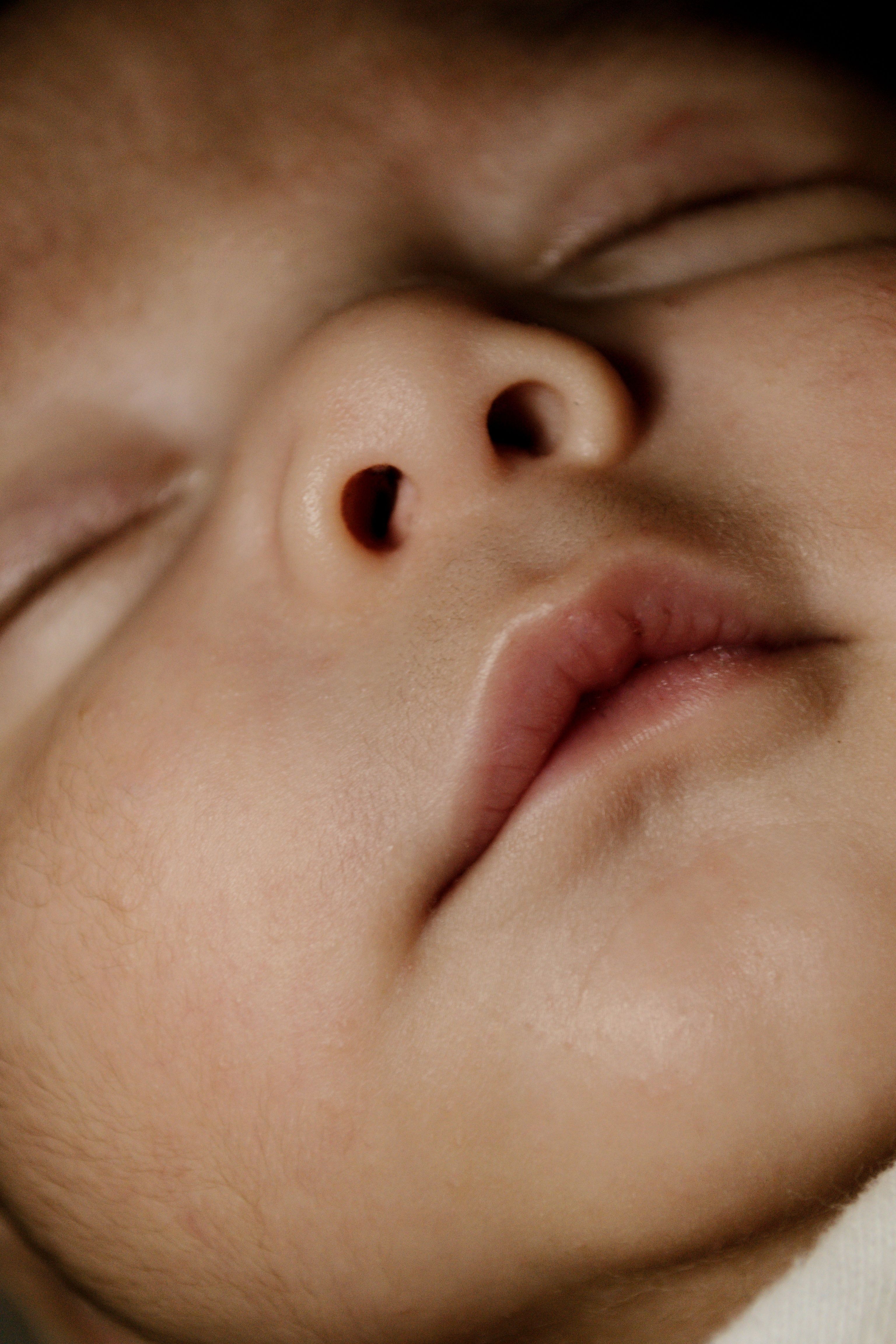
Naps: How to Help Your Newborn Sleep in the Day
Mastering the art of newborn daytime naps requires patience and a focus on recognizing your baby's unique sleep cues.
Staff writer
4 min readOctober 27, 2026
Navigating the world of newborn sleep often feels like trying to solve a puzzle where the pieces change shape every single day. One of the most common challenges parents face is helping their little one find a rhythm for daytime naps. It is completely normal for newborns to struggle with distinguishing day from night during those first few weeks. Their internal clocks are still developing, and they are adjusting to a life outside the womb where they previously spent much of their time asleep while you were moving about. Helping your baby nap effectively during the day is not about forcing a strict schedule but rather about creating an environment that supports their natural biological needs.
Creating the Perfect Nap Environment
Consistency is your best friend when it comes to infant sleep. You do not need to turn your home into a silent, pitch-black tomb, but providing a consistent environment can signal to your baby that it is time to rest. Keeping the room slightly dimmed and perhaps using a white noise machine can help muffle the sounds of a busy household, allowing your baby to settle more easily. Many newborns actually prefer a bit of movement or the gentle hum of white noise because it mimics the sensory experience of the womb. Make sure the sleep surface is flat and free of blankets or pillows to ensure safety while they drift off.
The goal of daytime sleep is to prevent your baby from becoming overtired, which can ironically make it much harder for them to fall asleep and stay asleep.
Recognizing Sleep Cues
Learning to read your baby is a superpower you will develop over time. Many parents wait until the baby is yawning or rubbing their eyes, but these are often signs that they are already overtired. Watch for subtle cues like jerky movements, staring into space, turning away from social interaction, or clenching their tiny fists. When you notice these signs, gently transition your baby to their nap space. It is often helpful to have a mini routine before naps, such as a quick diaper change, a soothing song, or a short cuddle. This repetition helps build a positive association with resting.
Handling Short Naps
It is incredibly common for newborns to take short, inconsistent naps. This can be frustrating when you are hoping to get a moment to yourself, but rest assured that short naps are developmentally normal for most newborns. As they grow, their sleep cycles will lengthen and consolidate. In the meantime, try to be flexible. If your baby refuses to nap in their crib, do not be afraid to use a baby carrier or allow them to nap in your arms for a portion of the day. The most important thing is that they are getting the sleep they need to grow and thrive. Remember that you are doing a wonderful job navigating these transitions and every day is a step forward in understanding your child.
Staff writer
Editorial Team