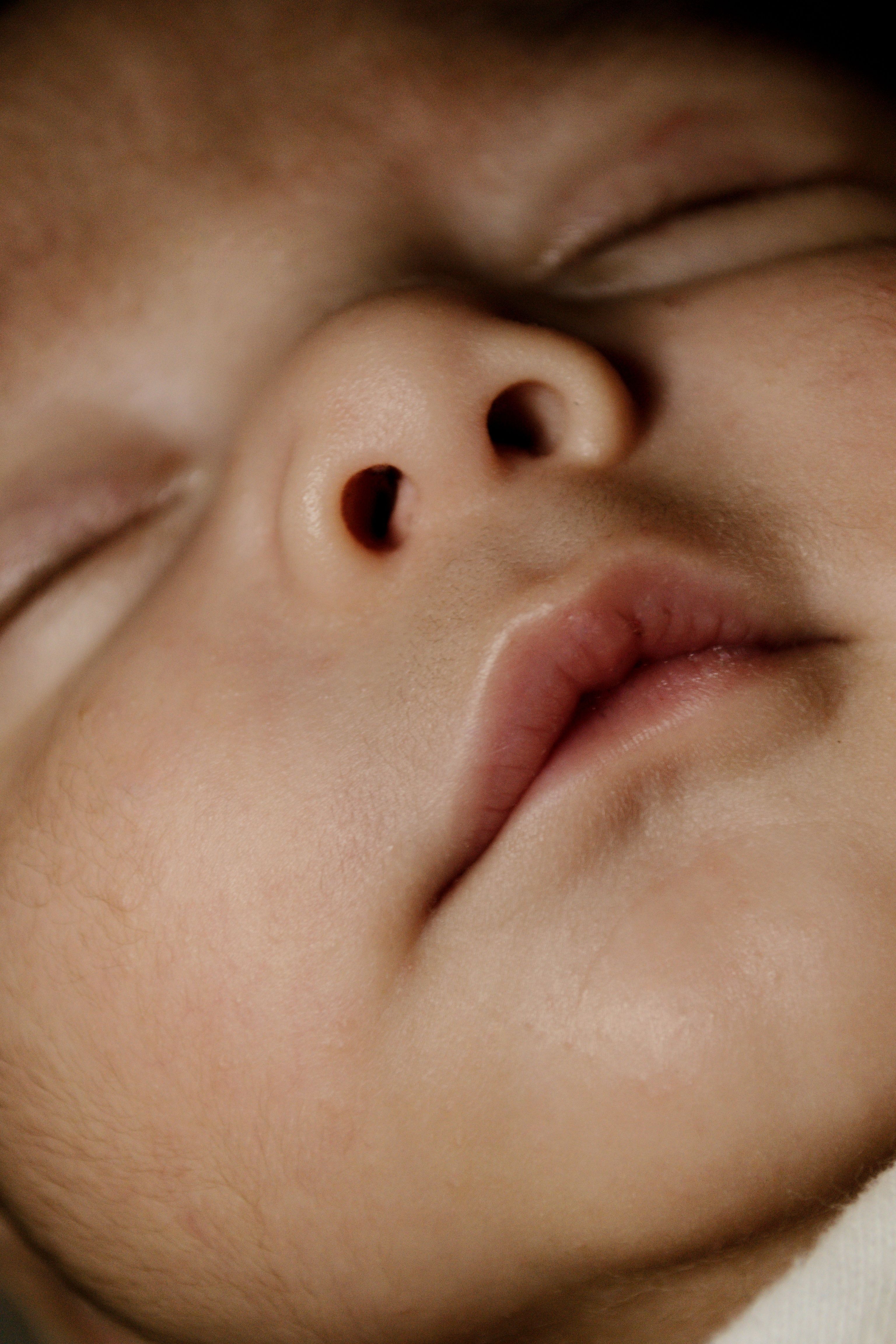
Mastering wake windows
A simple guide to wake windows and how they help your baby sleep better.
Staff writer
3 min readNovember 18, 2026
Wake windows represent the amount of time an infant can stay awake between sleep periods before becoming overtired. Mastering these windows is the secret to a happy, well-rested baby. ## Understanding the Window. A newborn might only be able to stay awake for 45 to 60 minutes, while an older infant can stay awake for two or three hours. If you push the baby past their wake window, they will likely experience a surge of cortisol, which makes it much harder for them to settle and stay asleep. Keeping an eye on the clock can help you catch the window before the fussiness begins. ## Identifying the Sweet Spot. Learn your baby’s specific 'tired' cues. These often include yawning, rubbing eyes, zoning out, or increased fussiness. The goal is to get the baby into their sleep environment as soon as these signs appear. If you wait until they are crying, you have likely missed the window, and you will need to spend extra time soothing them before they can drift off. ## How to Use Wake Windows. Use these windows as a guide rather than a hard rule. Some babies are naturally more alert, while others have lower sleep thresholds. If your baby is consistently having trouble falling asleep, try shortening their wake window by 15 minutes for a few days. If they are fighting sleep, they might need a bit more activity to build up enough 'sleep pressure.' ## Balancing Activity. During the awake period, provide stimulating, age-appropriate play. This could be tummy time, looking in a mirror, or going for a walk. This engagement helps ensure that when the sleep window arrives, the baby is genuinely ready for rest. With practice, you will develop an intuitive sense for your baby's needs that requires less reliance on a clock and more on observation.
Staff writer
Editorial Team